Fort Lauderdale homeowners often ask what actually happens during a solar panel cleaning visit. Here's the full process, step by step, including exactly what tools and materials we use.
Our Process, Step by Step
Inspection — we walk the roof plan and check panel condition, mounting hardware, and access points, confirming panel count and pitch (which set pricing and method).
Debris clearing — loose debris and leaves are cleared first, since cleaning over debris grinds it against the glass.
The wash — a soft brush with bristles soft enough to avoid scratching the anti-reflective coating, plus deionized water that removes dust, pollen, salt film, and grime without abrasive contact.
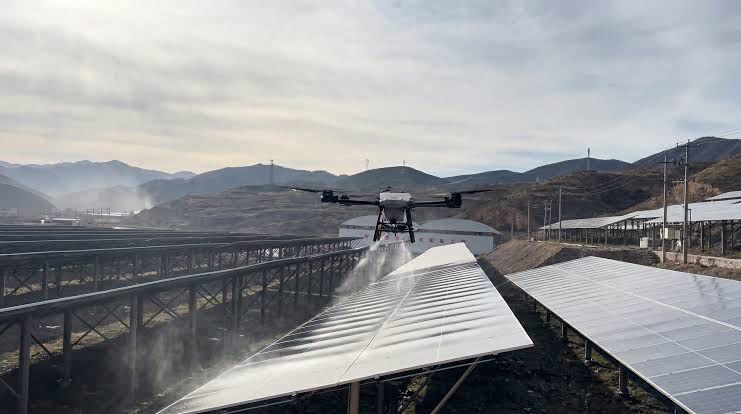
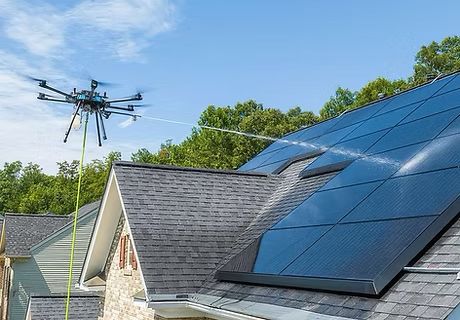
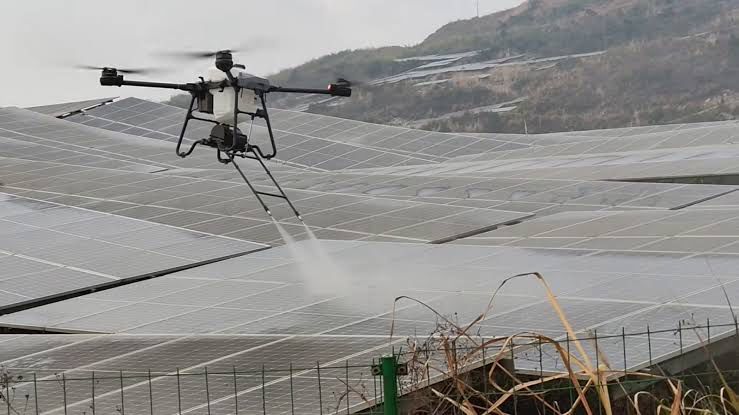
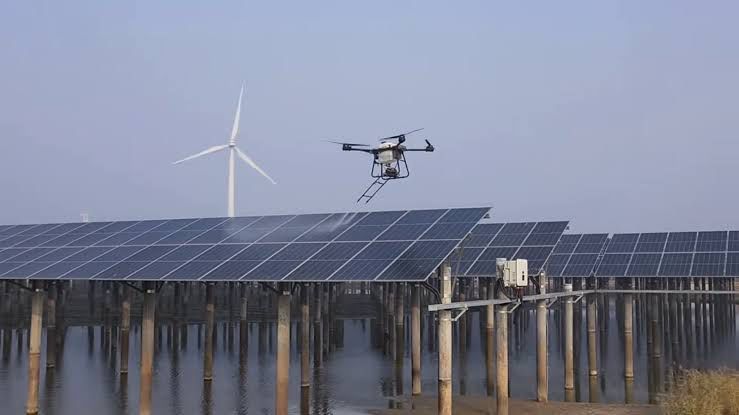
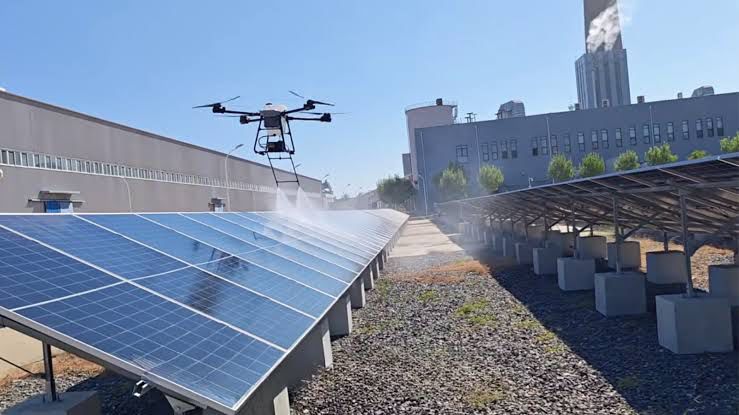
Drone-assisted cleaning (when needed) — for steep pitches, tall structures, or commercial arrays where rooftop foot traffic isn't practical.
Rinse & dry check — a final deionized-water rinse so nothing settles as panels dry; no mineral spotting left behind.
Documentation — before-and-after photos of the array for a clear record.
Why Deionized Water
Tap water carries minerals that dry into visible spots. Deionized water is stripped of those minerals, so it dries clear and leaves no residue — which matters most on Fort Lauderdale's humidity- and salt-exposed rooftops.
What We Don't Use
- ▸No pressure washers
- ▸No hard-bristle or abrasive brushes
- ▸No standard tap water for the final rinse
- ▸No chemical cleaners that can degrade panel coatings
Frequently Asked Questions
Why deionized water instead of a hose?
Tap water carries minerals that dry into visible spots. Deionized water dries clear, leaving no residue behind.
How long does a typical Fort Lauderdale cleaning visit take?
Most standard residential systems take a few hours from inspection through documentation, depending on panel count and access.
Do you clean the frames and mounting hardware too, or just the glass?
The inspection covers mounting hardware condition, and the cleaning focuses on the glass surface where buildup actually affects output.